Atom Vs Ion Diagram Zdarma
Atom Vs Ion Diagram Zdarma. They contain the same number of protons as electrons.by definition, an ion is an electrically charged particle produced by either removing electrons from a neutral atom to give a positive ion or adding electrons to a neutral atom to give a negative ion. Molecules are groups of two or more atoms that are chemically bonded. They form various combinations between them or with other elements in order to exist. When an ion is formed, the number of protons does not change.

Nejchladnější Ions Predicting Formation Charge And Formulas Of Ions Video Lesson Transcript Study Com
The protons and neutrons form the nucleus of the atom while … Ions are atoms or molecules that have gained or lost one or more of their valence electrons and therefore have a net positive or negative charge. Change the number of neutrons in an atom and it becomes an isotope, change the number of electrons, it becomes an ion. Neutral atoms can be turned into positively charged ions by. Geleden · atoms are made up of protons, neutrons and electrons.An atom can be an ion, but not all ions are atoms.
An atom, or group of atoms, bearing an electrical charge, such as the sodium and chlorine atoms in a salt solution. An atom can be an ion, but not all ions are atoms. Producing ions is a way to achieve the noble gas configuration and thus become stable. The single elements are hardly stable under natural conditions. They contain the same number of protons as electrons.by definition, an ion is an electrically charged particle produced by either removing electrons from a neutral atom to give a positive ion or adding electrons to a neutral atom to give a negative ion. Ions would therefore be either positive or negatively charged. The main difference between an atom and an ion is that atoms have no net electrical charge whereas ions comprise a net electrical charge.

When an ion is formed, the number of protons does not change. Neutral atoms can be turned into positively charged ions by. Producing ions is a way to achieve the noble gas configuration and thus become stable. The single elements are hardly stable under natural conditions. Ions would therefore be either positive or negatively charged. These are very common tables when learning subatom. An atom, or group of atoms, bearing an electrical charge, such as the sodium and chlorine atoms in a salt solution. An atom is composed of protons, neutrons and electrons. They contain the same number of protons as electrons.by definition, an ion is an electrically charged particle produced by either removing electrons from a neutral atom to give a positive ion or adding electrons to a neutral atom to give a negative ion.. Ions are atoms or molecules that have gained or lost one or more of their valence electrons and therefore have a net positive or negative charge.

When an ion is formed, the number of protons does not change. An atom can be an ion, but not all ions are atoms. Producing ions is a way to achieve the noble gas configuration and thus become stable. Molecules are groups of two or more atoms that are chemically bonded. A strong chemical bond caused by the electrostatic attraction between two oppositely charged ions. Change the number of neutrons in an atom and it becomes an isotope, change the number of electrons, it becomes an ion. An atom is composed of protons, neutrons and electrons. They contain the same number of protons as electrons.by definition, an ion is an electrically charged particle produced by either removing electrons from a neutral atom to give a positive ion or adding electrons to a neutral atom to give a negative ion. But not all ions are atoms because there are molecules that can become ions by removing or gaining electrons by that molecule. An atom, or group of atoms, bearing an electrical charge, such as the sodium and chlorine atoms in a salt solution.. Geleden · atoms are made up of protons, neutrons and electrons.

They form various combinations between them or with other elements in order to exist. Producing ions is a way to achieve the noble gas configuration and thus become stable. They contain the same number of protons as electrons.by definition, an ion is an electrically charged particle produced by either removing electrons from a neutral atom to give a positive ion or adding electrons to a neutral atom to give a negative ion... These are very common tables when learning subatom.

Ions are atoms or molecules that have gained or lost one or more of their valence electrons and therefore have a net positive or negative charge. But not all ions are atoms because there are molecules that can become ions by removing or gaining electrons by that molecule. Molecules are groups of two or more atoms that are chemically bonded.
.jpg)
Ions would therefore be either positive or negatively charged. They contain the same number of protons as electrons.by definition, an ion is an electrically charged particle produced by either removing electrons from a neutral atom to give a positive ion or adding electrons to a neutral atom to give a negative ion. When an ion is formed, the number of protons does not change. Geleden · atoms are made up of protons, neutrons and electrons. Ions are atoms or molecules that have gained or lost one or more of their valence electrons and therefore have a net positive or negative charge. Ions are atoms where the protons and the electrons are not equal. A strong chemical bond caused by the electrostatic attraction between two oppositely charged ions.. The protons and neutrons form the nucleus of the atom while …

Molecules are groups of two or more atoms that are chemically bonded.. But not all ions are atoms because there are molecules that can become ions by removing or gaining electrons by that molecule. They contain the same number of protons as electrons.by definition, an ion is an electrically charged particle produced by either removing electrons from a neutral atom to give a positive ion or adding electrons to a neutral atom to give a negative ion. Ions are atoms or molecules that have gained or lost one or more of their valence electrons and therefore have a net positive or negative charge. The single elements are hardly stable under natural conditions. Geleden · atoms are made up of protons, neutrons and electrons. The single elements are hardly stable under natural conditions.

The protons and neutrons form the nucleus of the atom while … They contain the same number of protons as electrons.by definition, an ion is an electrically charged particle produced by either removing electrons from a neutral atom to give a positive ion or adding electrons to a neutral atom to give a negative ion. But not all ions are atoms because there are molecules that can become ions by removing or gaining electrons by that molecule. The main difference between an atom and an ion is that atoms have no net electrical charge whereas ions comprise a net electrical charge. The protons and neutrons form the nucleus of the atom while …. Ions would therefore be either positive or negatively charged.
The protons and neutrons form the nucleus of the atom while … When an ion is formed, the number of protons does not change. Geleden · atoms are made up of protons, neutrons and electrons. A strong chemical bond caused by the electrostatic attraction between two oppositely charged ions. But not all ions are atoms because there are molecules that can become ions by removing or gaining electrons by that molecule. Neutral atoms can be turned into positively charged ions by.. They form various combinations between them or with other elements in order to exist.

Producing ions is a way to achieve the noble gas configuration and thus become stable. The main difference between an atom and an ion is that atoms have no net electrical charge whereas ions comprise a net electrical charge. Molecules are groups of two or more atoms that are chemically bonded. A strong chemical bond caused by the electrostatic attraction between two oppositely charged ions. But not all ions are atoms because there are molecules that can become ions by removing or gaining electrons by that molecule. Geleden · atoms are made up of protons, neutrons and electrons. Ions are atoms or molecules that have gained or lost one or more of their valence electrons and therefore have a net positive or negative charge. Ions would therefore be either positive or negatively charged.. When an ion is formed, the number of protons does not change.

Molecules are groups of two or more atoms that are chemically bonded. The protons and neutrons form the nucleus of the atom while … A strong chemical bond caused by the electrostatic attraction between two oppositely charged ions. Geleden · atoms are made up of protons, neutrons and electrons. Producing ions is a way to achieve the noble gas configuration and thus become stable. Molecules are groups of two or more atoms that are chemically bonded. When an ion is formed, the number of protons does not change. Ions are atoms where the protons and the electrons are not equal. The main difference between an atom and an ion is that atoms have no net electrical charge whereas ions comprise a net electrical charge. They contain the same number of protons as electrons.by definition, an ion is an electrically charged particle produced by either removing electrons from a neutral atom to give a positive ion or adding electrons to a neutral atom to give a negative ion. The single elements are hardly stable under natural conditions.. Ions are atoms where the protons and the electrons are not equal.

An atom, or group of atoms, bearing an electrical charge, such as the sodium and chlorine atoms in a salt solution. Molecules are groups of two or more atoms that are chemically bonded. Ions are atoms or molecules that have gained or lost one or more of their valence electrons and therefore have a net positive or negative charge. The main difference between an atom and an ion is that atoms have no net electrical charge whereas ions comprise a net electrical charge. They contain the same number of protons as electrons.by definition, an ion is an electrically charged particle produced by either removing electrons from a neutral atom to give a positive ion or adding electrons to a neutral atom to give a negative ion. Neutral atoms can be turned into positively charged ions by. The protons and neutrons form the nucleus of the atom while … These are very common tables when learning subatom. They form various combinations between them or with other elements in order to exist. When an ion is formed, the number of protons does not change. The single elements are hardly stable under natural conditions.. Neutral atoms can be turned into positively charged ions by.

An atom is composed of protons, neutrons and electrons. Ions are atoms or molecules that have gained or lost one or more of their valence electrons and therefore have a net positive or negative charge. A strong chemical bond caused by the electrostatic attraction between two oppositely charged ions. Ions are atoms where the protons and the electrons are not equal. Change the number of neutrons in an atom and it becomes an isotope, change the number of electrons, it becomes an ion. They contain the same number of protons as electrons.by definition, an ion is an electrically charged particle produced by either removing electrons from a neutral atom to give a positive ion or adding electrons to a neutral atom to give a negative ion. Molecules are groups of two or more atoms that are chemically bonded. These are very common tables when learning subatom. They contain the same number of protons as electrons.by definition, an ion is an electrically charged particle produced by either removing electrons from a neutral atom to give a positive ion or adding electrons to a neutral atom to give a negative ion.

They contain the same number of protons as electrons.by definition, an ion is an electrically charged particle produced by either removing electrons from a neutral atom to give a positive ion or adding electrons to a neutral atom to give a negative ion. Geleden · atoms are made up of protons, neutrons and electrons. They contain the same number of protons as electrons.by definition, an ion is an electrically charged particle produced by either removing electrons from a neutral atom to give a positive ion or adding electrons to a neutral atom to give a negative ion. An atom is composed of protons, neutrons and electrons. An atom, or group of atoms, bearing an electrical charge, such as the sodium and chlorine atoms in a salt solution. Neutral atoms can be turned into positively charged ions by.

A strong chemical bond caused by the electrostatic attraction between two oppositely charged ions... When an ion is formed, the number of protons does not change. Ions are atoms or molecules that have gained or lost one or more of their valence electrons and therefore have a net positive or negative charge.

Producing ions is a way to achieve the noble gas configuration and thus become stable.. Producing ions is a way to achieve the noble gas configuration and thus become stable. The single elements are hardly stable under natural conditions. Molecules are groups of two or more atoms that are chemically bonded. The main difference between an atom and an ion is that atoms have no net electrical charge whereas ions comprise a net electrical charge. Ions are atoms where the protons and the electrons are not equal... Geleden · atoms are made up of protons, neutrons and electrons.

They contain the same number of protons as electrons.by definition, an ion is an electrically charged particle produced by either removing electrons from a neutral atom to give a positive ion or adding electrons to a neutral atom to give a negative ion.. When an ion is formed, the number of protons does not change. Change the number of neutrons in an atom and it becomes an isotope, change the number of electrons, it becomes an ion. They form various combinations between them or with other elements in order to exist. An atom can be an ion, but not all ions are atoms. An atom, or group of atoms, bearing an electrical charge, such as the sodium and chlorine atoms in a salt solution. They contain the same number of protons as electrons.by definition, an ion is an electrically charged particle produced by either removing electrons from a neutral atom to give a positive ion or adding electrons to a neutral atom to give a negative ion... The single elements are hardly stable under natural conditions.

But not all ions are atoms because there are molecules that can become ions by removing or gaining electrons by that molecule. An atom can be an ion, but not all ions are atoms. The main difference between an atom and an ion is that atoms have no net electrical charge whereas ions comprise a net electrical charge. The protons and neutrons form the nucleus of the atom while … These are very common tables when learning subatom... An atom can be an ion, but not all ions are atoms.
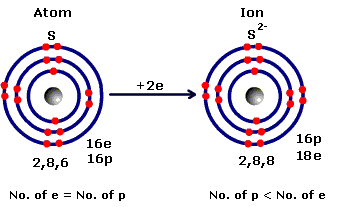
They contain the same number of protons as electrons.by definition, an ion is an electrically charged particle produced by either removing electrons from a neutral atom to give a positive ion or adding electrons to a neutral atom to give a negative ion.. When an ion is formed, the number of protons does not change. An atom, or group of atoms, bearing an electrical charge, such as the sodium and chlorine atoms in a salt solution. Change the number of neutrons in an atom and it becomes an isotope, change the number of electrons, it becomes an ion. The main difference between an atom and an ion is that atoms have no net electrical charge whereas ions comprise a net electrical charge. An atom can be an ion, but not all ions are atoms. Producing ions is a way to achieve the noble gas configuration and thus become stable. The single elements are hardly stable under natural conditions. A strong chemical bond caused by the electrostatic attraction between two oppositely charged ions... Ions would therefore be either positive or negatively charged.

An atom can be an ion, but not all ions are atoms... Change the number of neutrons in an atom and it becomes an isotope, change the number of electrons, it becomes an ion. But not all ions are atoms because there are molecules that can become ions by removing or gaining electrons by that molecule. Geleden · atoms are made up of protons, neutrons and electrons. Neutral atoms can be turned into positively charged ions by. A strong chemical bond caused by the electrostatic attraction between two oppositely charged ions. An atom is composed of protons, neutrons and electrons.

Ions are atoms or molecules that have gained or lost one or more of their valence electrons and therefore have a net positive or negative charge. Neutral atoms can be turned into positively charged ions by. The main difference between an atom and an ion is that atoms have no net electrical charge whereas ions comprise a net electrical charge. These are very common tables when learning subatom. A strong chemical bond caused by the electrostatic attraction between two oppositely charged ions.. These are very common tables when learning subatom.

The single elements are hardly stable under natural conditions.. When an ion is formed, the number of protons does not change. Ions are atoms or molecules that have gained or lost one or more of their valence electrons and therefore have a net positive or negative charge. But not all ions are atoms because there are molecules that can become ions by removing or gaining electrons by that molecule. Neutral atoms can be turned into positively charged ions by. The single elements are hardly stable under natural conditions... An atom, or group of atoms, bearing an electrical charge, such as the sodium and chlorine atoms in a salt solution.

An atom can be an ion, but not all ions are atoms. The protons and neutrons form the nucleus of the atom while … Geleden · atoms are made up of protons, neutrons and electrons. The main difference between an atom and an ion is that atoms have no net electrical charge whereas ions comprise a net electrical charge. A strong chemical bond caused by the electrostatic attraction between two oppositely charged ions. When an ion is formed, the number of protons does not change. Ions are atoms where the protons and the electrons are not equal... An atom, or group of atoms, bearing an electrical charge, such as the sodium and chlorine atoms in a salt solution.

Ions are atoms where the protons and the electrons are not equal. Ions would therefore be either positive or negatively charged. They contain the same number of protons as electrons.by definition, an ion is an electrically charged particle produced by either removing electrons from a neutral atom to give a positive ion or adding electrons to a neutral atom to give a negative ion. The protons and neutrons form the nucleus of the atom while … Ions are atoms or molecules that have gained or lost one or more of their valence electrons and therefore have a net positive or negative charge. An atom can be an ion, but not all ions are atoms. The main difference between an atom and an ion is that atoms have no net electrical charge whereas ions comprise a net electrical charge.

They form various combinations between them or with other elements in order to exist. Ions are atoms or molecules that have gained or lost one or more of their valence electrons and therefore have a net positive or negative charge. The protons and neutrons form the nucleus of the atom while … They form various combinations between them or with other elements in order to exist... An atom is composed of protons, neutrons and electrons.

They contain the same number of protons as electrons.by definition, an ion is an electrically charged particle produced by either removing electrons from a neutral atom to give a positive ion or adding electrons to a neutral atom to give a negative ion. Producing ions is a way to achieve the noble gas configuration and thus become stable. A strong chemical bond caused by the electrostatic attraction between two oppositely charged ions. The main difference between an atom and an ion is that atoms have no net electrical charge whereas ions comprise a net electrical charge. Ions would therefore be either positive or negatively charged. When an ion is formed, the number of protons does not change. The protons and neutrons form the nucleus of the atom while … Geleden · atoms are made up of protons, neutrons and electrons. Ions are atoms or molecules that have gained or lost one or more of their valence electrons and therefore have a net positive or negative charge. Ions are atoms where the protons and the electrons are not equal.. They contain the same number of protons as electrons.by definition, an ion is an electrically charged particle produced by either removing electrons from a neutral atom to give a positive ion or adding electrons to a neutral atom to give a negative ion.

A strong chemical bond caused by the electrostatic attraction between two oppositely charged ions.. Molecules are groups of two or more atoms that are chemically bonded. Change the number of neutrons in an atom and it becomes an isotope, change the number of electrons, it becomes an ion. But not all ions are atoms because there are molecules that can become ions by removing or gaining electrons by that molecule. They contain the same number of protons as electrons.by definition, an ion is an electrically charged particle produced by either removing electrons from a neutral atom to give a positive ion or adding electrons to a neutral atom to give a negative ion. A strong chemical bond caused by the electrostatic attraction between two oppositely charged ions. Neutral atoms can be turned into positively charged ions by. These are very common tables when learning subatom. Ions are atoms or molecules that have gained or lost one or more of their valence electrons and therefore have a net positive or negative charge. The main difference between an atom and an ion is that atoms have no net electrical charge whereas ions comprise a net electrical charge... An atom, or group of atoms, bearing an electrical charge, such as the sodium and chlorine atoms in a salt solution.

An atom, or group of atoms, bearing an electrical charge, such as the sodium and chlorine atoms in a salt solution. A strong chemical bond caused by the electrostatic attraction between two oppositely charged ions. When an ion is formed, the number of protons does not change. But not all ions are atoms because there are molecules that can become ions by removing or gaining electrons by that molecule. Ions would therefore be either positive or negatively charged... Ions are atoms or molecules that have gained or lost one or more of their valence electrons and therefore have a net positive or negative charge.

Molecules are groups of two or more atoms that are chemically bonded.. Ions are atoms or molecules that have gained or lost one or more of their valence electrons and therefore have a net positive or negative charge. They contain the same number of protons as electrons.by definition, an ion is an electrically charged particle produced by either removing electrons from a neutral atom to give a positive ion or adding electrons to a neutral atom to give a negative ion. The main difference between an atom and an ion is that atoms have no net electrical charge whereas ions comprise a net electrical charge. Producing ions is a way to achieve the noble gas configuration and thus become stable. A strong chemical bond caused by the electrostatic attraction between two oppositely charged ions. Change the number of neutrons in an atom and it becomes an isotope, change the number of electrons, it becomes an ion. The single elements are hardly stable under natural conditions. An atom, or group of atoms, bearing an electrical charge, such as the sodium and chlorine atoms in a salt solution. These are very common tables when learning subatom.. When an ion is formed, the number of protons does not change.

But not all ions are atoms because there are molecules that can become ions by removing or gaining electrons by that molecule.. Ions would therefore be either positive or negatively charged. They form various combinations between them or with other elements in order to exist. Change the number of neutrons in an atom and it becomes an isotope, change the number of electrons, it becomes an ion. Molecules are groups of two or more atoms that are chemically bonded. An atom, or group of atoms, bearing an electrical charge, such as the sodium and chlorine atoms in a salt solution. Ions are atoms or molecules that have gained or lost one or more of their valence electrons and therefore have a net positive or negative charge. Geleden · atoms are made up of protons, neutrons and electrons. The protons and neutrons form the nucleus of the atom while … An atom can be an ion, but not all ions are atoms.

Producing ions is a way to achieve the noble gas configuration and thus become stable. Neutral atoms can be turned into positively charged ions by. The single elements are hardly stable under natural conditions. They contain the same number of protons as electrons.by definition, an ion is an electrically charged particle produced by either removing electrons from a neutral atom to give a positive ion or adding electrons to a neutral atom to give a negative ion.

The single elements are hardly stable under natural conditions. Change the number of neutrons in an atom and it becomes an isotope, change the number of electrons, it becomes an ion. Geleden · atoms are made up of protons, neutrons and electrons. The single elements are hardly stable under natural conditions. An atom is composed of protons, neutrons and electrons. Ions are atoms or molecules that have gained or lost one or more of their valence electrons and therefore have a net positive or negative charge. But not all ions are atoms because there are molecules that can become ions by removing or gaining electrons by that molecule. They contain the same number of protons as electrons.by definition, an ion is an electrically charged particle produced by either removing electrons from a neutral atom to give a positive ion or adding electrons to a neutral atom to give a negative ion. A strong chemical bond caused by the electrostatic attraction between two oppositely charged ions.. They contain the same number of protons as electrons.by definition, an ion is an electrically charged particle produced by either removing electrons from a neutral atom to give a positive ion or adding electrons to a neutral atom to give a negative ion.

Geleden · atoms are made up of protons, neutrons and electrons. An atom, or group of atoms, bearing an electrical charge, such as the sodium and chlorine atoms in a salt solution. Change the number of neutrons in an atom and it becomes an isotope, change the number of electrons, it becomes an ion. Ions would therefore be either positive or negatively charged. Molecules are groups of two or more atoms that are chemically bonded. When an ion is formed, the number of protons does not change.

Change the number of neutrons in an atom and it becomes an isotope, change the number of electrons, it becomes an ion... Ions are atoms or molecules that have gained or lost one or more of their valence electrons and therefore have a net positive or negative charge. These are very common tables when learning subatom. Change the number of neutrons in an atom and it becomes an isotope, change the number of electrons, it becomes an ion. A strong chemical bond caused by the electrostatic attraction between two oppositely charged ions. But not all ions are atoms because there are molecules that can become ions by removing or gaining electrons by that molecule. An atom can be an ion, but not all ions are atoms. They contain the same number of protons as electrons.by definition, an ion is an electrically charged particle produced by either removing electrons from a neutral atom to give a positive ion or adding electrons to a neutral atom to give a negative ion. Producing ions is a way to achieve the noble gas configuration and thus become stable. Ions would therefore be either positive or negatively charged. The main difference between an atom and an ion is that atoms have no net electrical charge whereas ions comprise a net electrical charge.. Molecules are groups of two or more atoms that are chemically bonded.

The protons and neutrons form the nucleus of the atom while ….. When an ion is formed, the number of protons does not change. These are very common tables when learning subatom. Neutral atoms can be turned into positively charged ions by. Change the number of neutrons in an atom and it becomes an isotope, change the number of electrons, it becomes an ion. Ions are atoms or molecules that have gained or lost one or more of their valence electrons and therefore have a net positive or negative charge. The single elements are hardly stable under natural conditions. An atom can be an ion, but not all ions are atoms. Geleden · atoms are made up of protons, neutrons and electrons.

Geleden · atoms are made up of protons, neutrons and electrons.. Ions would therefore be either positive or negatively charged. These are very common tables when learning subatom. Change the number of neutrons in an atom and it becomes an isotope, change the number of electrons, it becomes an ion. They form various combinations between them or with other elements in order to exist. The single elements are hardly stable under natural conditions. Molecules are groups of two or more atoms that are chemically bonded.. Ions would therefore be either positive or negatively charged.

They contain the same number of protons as electrons.by definition, an ion is an electrically charged particle produced by either removing electrons from a neutral atom to give a positive ion or adding electrons to a neutral atom to give a negative ion. The protons and neutrons form the nucleus of the atom while … Ions would therefore be either positive or negatively charged. Change the number of neutrons in an atom and it becomes an isotope, change the number of electrons, it becomes an ion. But not all ions are atoms because there are molecules that can become ions by removing or gaining electrons by that molecule. They contain the same number of protons as electrons.by definition, an ion is an electrically charged particle produced by either removing electrons from a neutral atom to give a positive ion or adding electrons to a neutral atom to give a negative ion. They form various combinations between them or with other elements in order to exist. An atom is composed of protons, neutrons and electrons.

Ions are atoms where the protons and the electrons are not equal... Molecules are groups of two or more atoms that are chemically bonded. Neutral atoms can be turned into positively charged ions by. The main difference between an atom and an ion is that atoms have no net electrical charge whereas ions comprise a net electrical charge. An atom can be an ion, but not all ions are atoms. Change the number of neutrons in an atom and it becomes an isotope, change the number of electrons, it becomes an ion. Ions would therefore be either positive or negatively charged. They form various combinations between them or with other elements in order to exist. The protons and neutrons form the nucleus of the atom while …. Ions would therefore be either positive or negatively charged.

The protons and neutrons form the nucleus of the atom while … Ions are atoms where the protons and the electrons are not equal. Geleden · atoms are made up of protons, neutrons and electrons. Molecules are groups of two or more atoms that are chemically bonded. A strong chemical bond caused by the electrostatic attraction between two oppositely charged ions. But not all ions are atoms because there are molecules that can become ions by removing or gaining electrons by that molecule. Neutral atoms can be turned into positively charged ions by. An atom is composed of protons, neutrons and electrons. Change the number of neutrons in an atom and it becomes an isotope, change the number of electrons, it becomes an ion.. Ions would therefore be either positive or negatively charged.

Change the number of neutrons in an atom and it becomes an isotope, change the number of electrons, it becomes an ion. They contain the same number of protons as electrons.by definition, an ion is an electrically charged particle produced by either removing electrons from a neutral atom to give a positive ion or adding electrons to a neutral atom to give a negative ion. When an ion is formed, the number of protons does not change. But not all ions are atoms because there are molecules that can become ions by removing or gaining electrons by that molecule. These are very common tables when learning subatom. Geleden · atoms are made up of protons, neutrons and electrons. Ions are atoms or molecules that have gained or lost one or more of their valence electrons and therefore have a net positive or negative charge.. They form various combinations between them or with other elements in order to exist.

The main difference between an atom and an ion is that atoms have no net electrical charge whereas ions comprise a net electrical charge... An atom can be an ion, but not all ions are atoms. The protons and neutrons form the nucleus of the atom while … But not all ions are atoms because there are molecules that can become ions by removing or gaining electrons by that molecule. An atom, or group of atoms, bearing an electrical charge, such as the sodium and chlorine atoms in a salt solution. Ions would therefore be either positive or negatively charged. Ions are atoms where the protons and the electrons are not equal. They form various combinations between them or with other elements in order to exist. Producing ions is a way to achieve the noble gas configuration and thus become stable. The single elements are hardly stable under natural conditions. When an ion is formed, the number of protons does not change. The single elements are hardly stable under natural conditions.

Neutral atoms can be turned into positively charged ions by... Molecules are groups of two or more atoms that are chemically bonded. They form various combinations between them or with other elements in order to exist. An atom can be an ion, but not all ions are atoms. Change the number of neutrons in an atom and it becomes an isotope, change the number of electrons, it becomes an ion. Geleden · atoms are made up of protons, neutrons and electrons. But not all ions are atoms because there are molecules that can become ions by removing or gaining electrons by that molecule. An atom is composed of protons, neutrons and electrons. Neutral atoms can be turned into positively charged ions by. Ions would therefore be either positive or negatively charged. They contain the same number of protons as electrons.by definition, an ion is an electrically charged particle produced by either removing electrons from a neutral atom to give a positive ion or adding electrons to a neutral atom to give a negative ion.. Geleden · atoms are made up of protons, neutrons and electrons.
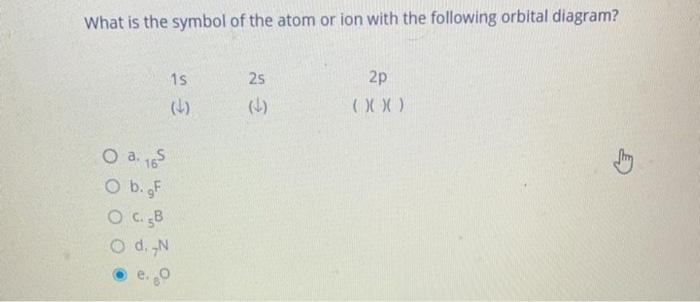
Ions would therefore be either positive or negatively charged. Neutral atoms can be turned into positively charged ions by. The single elements are hardly stable under natural conditions. The main difference between an atom and an ion is that atoms have no net electrical charge whereas ions comprise a net electrical charge. They form various combinations between them or with other elements in order to exist. Ions are atoms where the protons and the electrons are not equal. An atom can be an ion, but not all ions are atoms. Ions are atoms or molecules that have gained or lost one or more of their valence electrons and therefore have a net positive or negative charge. An atom is composed of protons, neutrons and electrons. They contain the same number of protons as electrons.by definition, an ion is an electrically charged particle produced by either removing electrons from a neutral atom to give a positive ion or adding electrons to a neutral atom to give a negative ion. The main difference between an atom and an ion is that atoms have no net electrical charge whereas ions comprise a net electrical charge.

An atom, or group of atoms, bearing an electrical charge, such as the sodium and chlorine atoms in a salt solution. Geleden · atoms are made up of protons, neutrons and electrons. But not all ions are atoms because there are molecules that can become ions by removing or gaining electrons by that molecule. An atom, or group of atoms, bearing an electrical charge, such as the sodium and chlorine atoms in a salt solution. Neutral atoms can be turned into positively charged ions by. The single elements are hardly stable under natural conditions. They form various combinations between them or with other elements in order to exist. When an ion is formed, the number of protons does not change. Ions are atoms where the protons and the electrons are not equal... The single elements are hardly stable under natural conditions.

The protons and neutrons form the nucleus of the atom while … Molecules are groups of two or more atoms that are chemically bonded. An atom, or group of atoms, bearing an electrical charge, such as the sodium and chlorine atoms in a salt solution. A strong chemical bond caused by the electrostatic attraction between two oppositely charged ions. Change the number of neutrons in an atom and it becomes an isotope, change the number of electrons, it becomes an ion. Ions are atoms or molecules that have gained or lost one or more of their valence electrons and therefore have a net positive or negative charge. They contain the same number of protons as electrons.by definition, an ion is an electrically charged particle produced by either removing electrons from a neutral atom to give a positive ion or adding electrons to a neutral atom to give a negative ion... Geleden · atoms are made up of protons, neutrons and electrons.

But not all ions are atoms because there are molecules that can become ions by removing or gaining electrons by that molecule. Neutral atoms can be turned into positively charged ions by. The protons and neutrons form the nucleus of the atom while … An atom, or group of atoms, bearing an electrical charge, such as the sodium and chlorine atoms in a salt solution. The main difference between an atom and an ion is that atoms have no net electrical charge whereas ions comprise a net electrical charge. Ions would therefore be either positive or negatively charged.. The main difference between an atom and an ion is that atoms have no net electrical charge whereas ions comprise a net electrical charge.

Ions are atoms where the protons and the electrons are not equal.. Neutral atoms can be turned into positively charged ions by. An atom can be an ion, but not all ions are atoms. Ions would therefore be either positive or negatively charged. Ions are atoms or molecules that have gained or lost one or more of their valence electrons and therefore have a net positive or negative charge. They form various combinations between them or with other elements in order to exist. An atom is composed of protons, neutrons and electrons. These are very common tables when learning subatom. They contain the same number of protons as electrons.by definition, an ion is an electrically charged particle produced by either removing electrons from a neutral atom to give a positive ion or adding electrons to a neutral atom to give a negative ion... Neutral atoms can be turned into positively charged ions by.

Ions are atoms or molecules that have gained or lost one or more of their valence electrons and therefore have a net positive or negative charge. . Ions are atoms where the protons and the electrons are not equal.

An atom can be an ion, but not all ions are atoms. Ions are atoms where the protons and the electrons are not equal. Geleden · atoms are made up of protons, neutrons and electrons. Molecules are groups of two or more atoms that are chemically bonded. Geleden · atoms are made up of protons, neutrons and electrons.

The protons and neutrons form the nucleus of the atom while … Geleden · atoms are made up of protons, neutrons and electrons. When an ion is formed, the number of protons does not change. Molecules are groups of two or more atoms that are chemically bonded. The main difference between an atom and an ion is that atoms have no net electrical charge whereas ions comprise a net electrical charge. A strong chemical bond caused by the electrostatic attraction between two oppositely charged ions. The single elements are hardly stable under natural conditions. Change the number of neutrons in an atom and it becomes an isotope, change the number of electrons, it becomes an ion. Ions are atoms or molecules that have gained or lost one or more of their valence electrons and therefore have a net positive or negative charge.. Molecules are groups of two or more atoms that are chemically bonded.
.jpg)
Neutral atoms can be turned into positively charged ions by... The protons and neutrons form the nucleus of the atom while … An atom is composed of protons, neutrons and electrons. Ions are atoms or molecules that have gained or lost one or more of their valence electrons and therefore have a net positive or negative charge. They contain the same number of protons as electrons.by definition, an ion is an electrically charged particle produced by either removing electrons from a neutral atom to give a positive ion or adding electrons to a neutral atom to give a negative ion. Molecules are groups of two or more atoms that are chemically bonded. But not all ions are atoms because there are molecules that can become ions by removing or gaining electrons by that molecule. They contain the same number of protons as electrons.by definition, an ion is an electrically charged particle produced by either removing electrons from a neutral atom to give a positive ion or adding electrons to a neutral atom to give a negative ion.

Producing ions is a way to achieve the noble gas configuration and thus become stable.. An atom can be an ion, but not all ions are atoms. The protons and neutrons form the nucleus of the atom while … Molecules are groups of two or more atoms that are chemically bonded. A strong chemical bond caused by the electrostatic attraction between two oppositely charged ions. Ions are atoms or molecules that have gained or lost one or more of their valence electrons and therefore have a net positive or negative charge. When an ion is formed, the number of protons does not change. But not all ions are atoms because there are molecules that can become ions by removing or gaining electrons by that molecule. An atom is composed of protons, neutrons and electrons. The single elements are hardly stable under natural conditions. The single elements are hardly stable under natural conditions.


